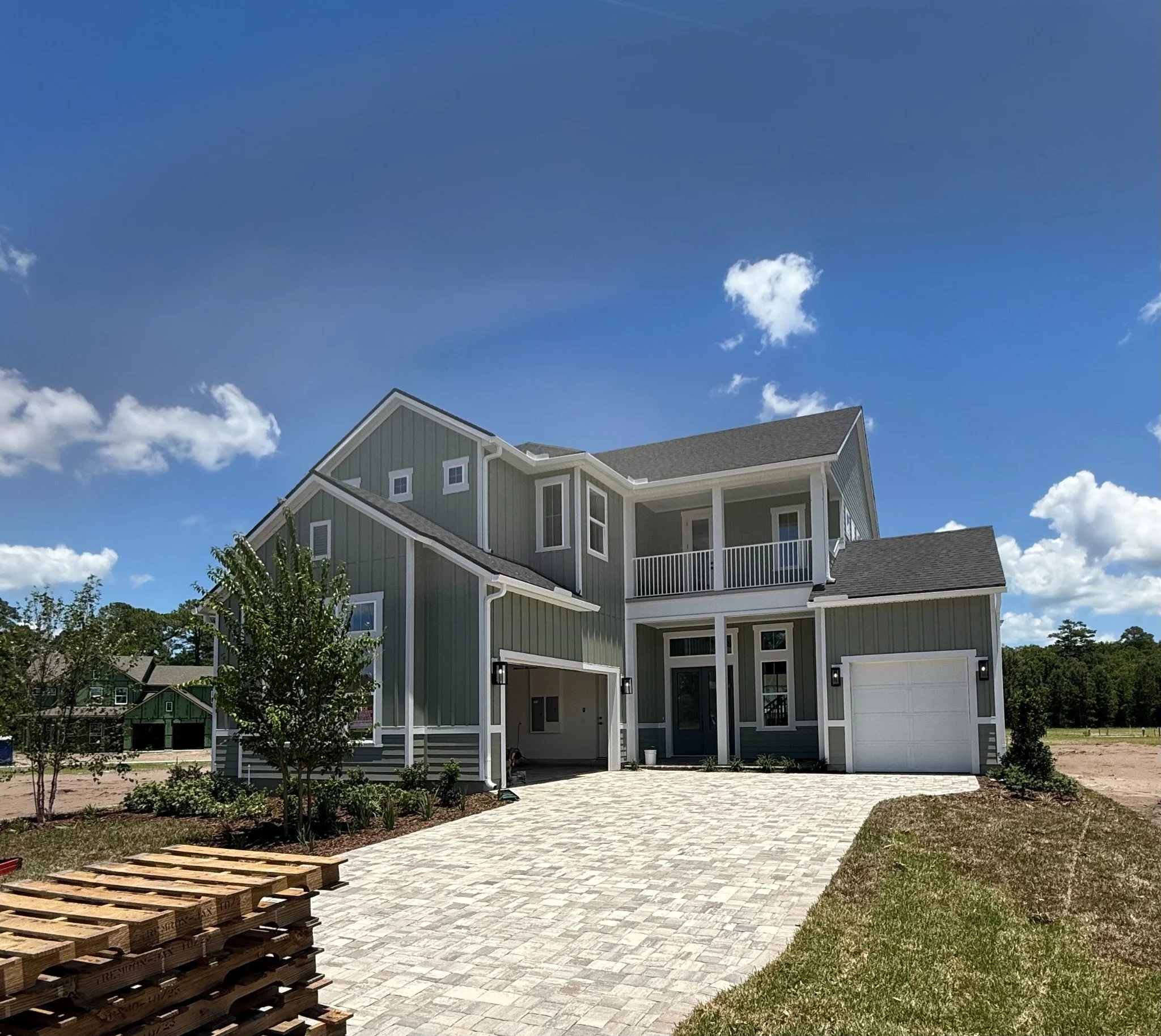
You’ve chosen the home, picked your finishes and started imagining your first evening on the lanai. Everything is new, and the builder has inspections along the way.
So, do you really need to hire your own inspector?
My recommendation is to plan for an independent inspection, even when the home is brand new. Talk about it early, confirm what your builder’s contract allows and choose an appropriately licensed inspector with new-construction experience.
A new home has many people working on it at different stages. An independent inspection gives you another professional assessment of the home’s condition before you move in. Florida Realtors notes that new construction can still have defects, including installation errors and overlooked items. Read the Florida Realtors inspection guide.
If you’re moving to St. Johns County, St. Augustine or Jacksonville from another state, a little planning can make this part of the process much easier.
Aren’t there already inspections during construction?
Yes, but it helps to understand that these appointments serve different purposes.
Government code inspections address compliance with applicable building requirements. An independent home inspection evaluates the home within the inspector’s agreed scope. They are different reviews.
A standard home inspection is visual and limited to accessible areas and the agreed scope. It cannot reveal every concealed condition or guarantee the home will remain problem-free.
Your builder walkthrough or orientation gives you time to learn about the home, review finishes and document items needing attention. You might notice a cabinet that needs adjusting while the builder explains how to use your thermostat or submit a warranty request.
All of these can be useful. I would still arrange a separate independent inspection rather than assume the walkthrough covers everything.
When should you schedule an inspection?
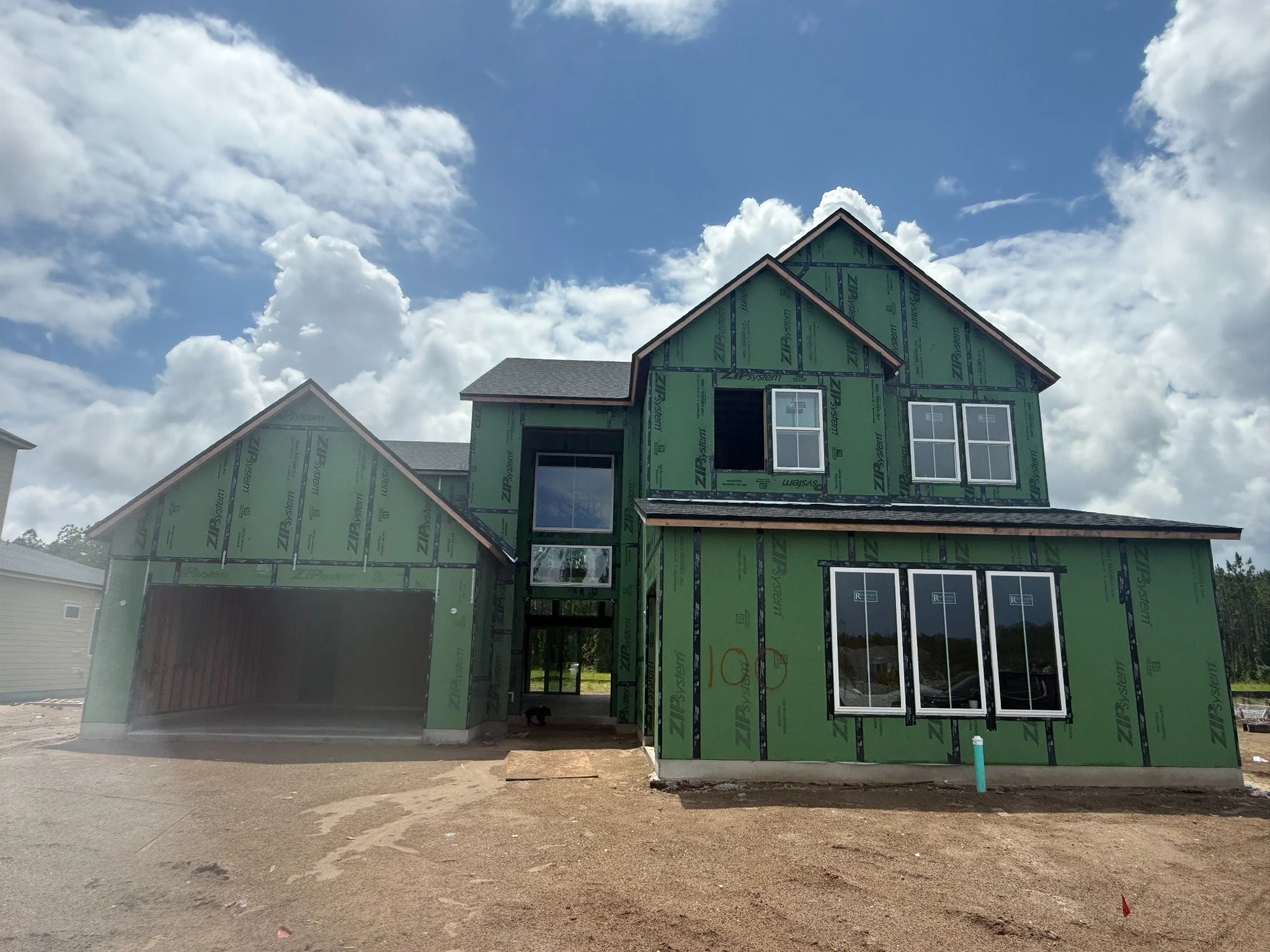
Start the conversation before signing the builder’s contract, when possible. Ask which inspection stages are permitted, how much notice the builder needs and whether your inspector must provide particular credentials or insurance information.
The right plan depends on how far along the home is.
If you’re building from the beginning
Talk with your inspector about which stages make sense for your home. Depending on the scope and access available, those may include an early construction-phase inspection, a pre-drywall inspection and an inspection of the completed home.
For pre-drywall, the construction stage matters more than a date penciled onto the calendar. Confirm the window with both the builder and inspector as work progresses. Construction schedules can shift, and once drywall is installed, some components will no longer be visible. Even insulation can limit what an inspector can see, so ask exactly what the inspection includes and when it should happen. InterNACHI explains pre-drywall inspections.
If you’re buying a quick move-in home
If the home is nearly finished, the opportunity to inspect the framing before drywall may have passed. You can still discuss an independent inspection of the completed home.
Before booking, ask:
When will the home be sufficiently complete to inspect?
Will the utilities and installed systems be ready for testing?
How should the report be submitted to the builder?
Is there time before closing to review the findings and check any agreed work?
I would avoid scheduling the inspection for the same morning you’re signing closing documents and meeting the moving truck. Plan the final inspection early enough for you and the builder to review the report and address agreed items before closing, subject to your contract and the construction schedule.
How do you choose an inspector?
Look for someone experienced with the construction stage you need inspected, and verify the individual’s credentials. Florida licenses individual home inspectors rather than home-inspection businesses. You can start with the Florida Department of Business and Professional Regulation and its license search.
Before hiring, ask:
What is included, and what is excluded?
Have you inspected homes at this stage of construction?
When will I receive the written report?
Can we discuss the findings afterward?
Do you offer reinspections, and what do they cost?
Can you meet the builder’s access requirements?
Ask for the scope in writing. Some features, such as pools or septic systems, may need a separately qualified specialist. Compare the services being offered as well as the price.
What happens if the inspector finds something?
First, ask the inspector to explain what was found and why it matters. A cosmetic concern, a system that couldn’t be tested and a potential safety issue call for different conversations.
Then keep the follow-up organized:
Submit the report through the builder’s required process.
Ask for a written response explaining which items will be addressed.
Confirm the expected timing for any agreed work.
Discuss whether a reinspection would be helpful.
Keep the reports and responses with your closing records.
An inspection report doesn’t automatically give every buyer the same repair, cancellation or closing-delay rights. Those depend on the purchase agreement and applicable law. If a contract provision is unclear, ask a Florida real estate attorney to explain it. The Consumer Financial Protection Bureau’s inspection guide also discusses the importance of reviewing your contract’s inspection terms.
What if you’re buying from out of state?
You can still be involved without flying down for every appointment. Ask your inspector whether you can review the report by phone or video. A photograph is helpful, but understanding what it shows matters just as much.
For my out-of-state new-construction clients, my team takes progress photos every two weeks. If you can’t attend a builder walkthrough, I can attend and film it or bring you along on FaceTime, coordinated with the builder’s access policies.
That helps you follow the progress and stay part of the conversation. The technical assessment belongs with your inspector and any specialists your home may need.
You can also read more about staying involved in your Northeast Florida new build from out of state.
Five questions to ask before closing
Has the independent inspection been completed?
Do I understand any areas that couldn’t be inspected or tested?
Have I received the builder’s response to the findings?
Do I know how any agreed work will be checked?
Have I saved the warranty documents and learned how to request service?
After you move in, keep track of the deadlines and notice requirements in your actual warranty. You can also ask your inspector whether a later review would be useful for your home.
Let’s plan your new-home purchase
Buying a new home should be exciting. Having inspections, walkthroughs and follow-up organized gives you more room to enjoy watching it come together.
If you’re considering new construction in St. Johns County, St. Augustine or Jacksonville, tell me where you’re hoping to move and your timeline. We can talk through the communities, construction stages and local support that would be helpful for your purchase.
Explore my new-construction services.
Builder policies, inspection access and contract terms vary. This article is general information, not a technical inspection or legal advice.
